
About Business

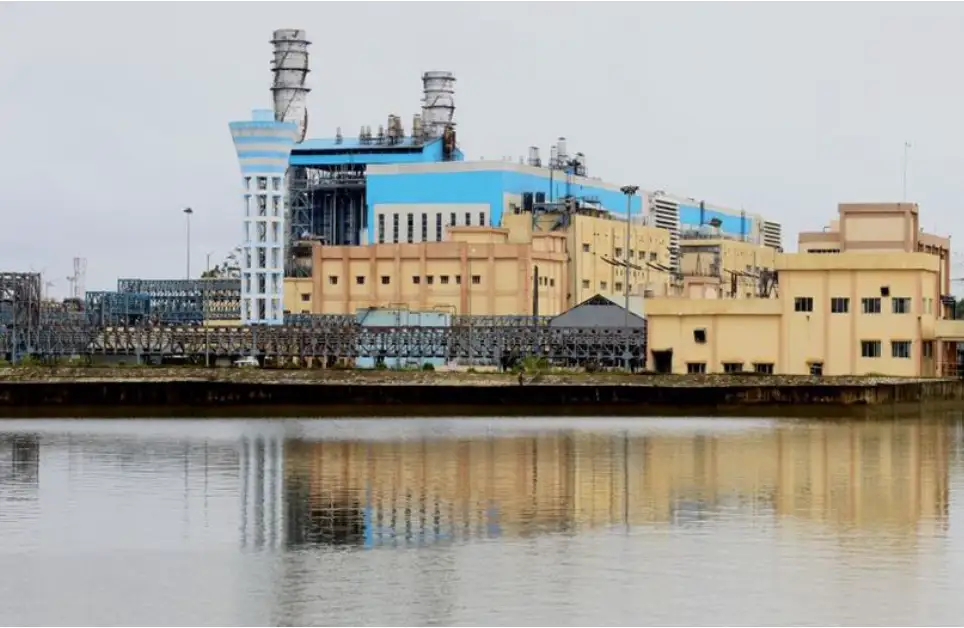
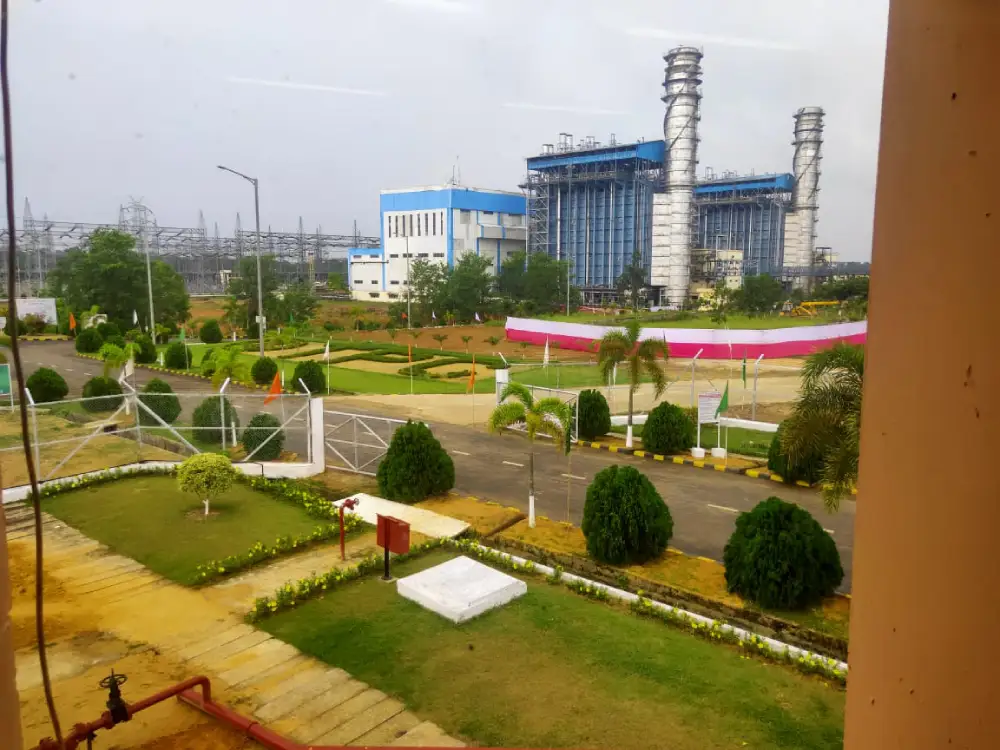
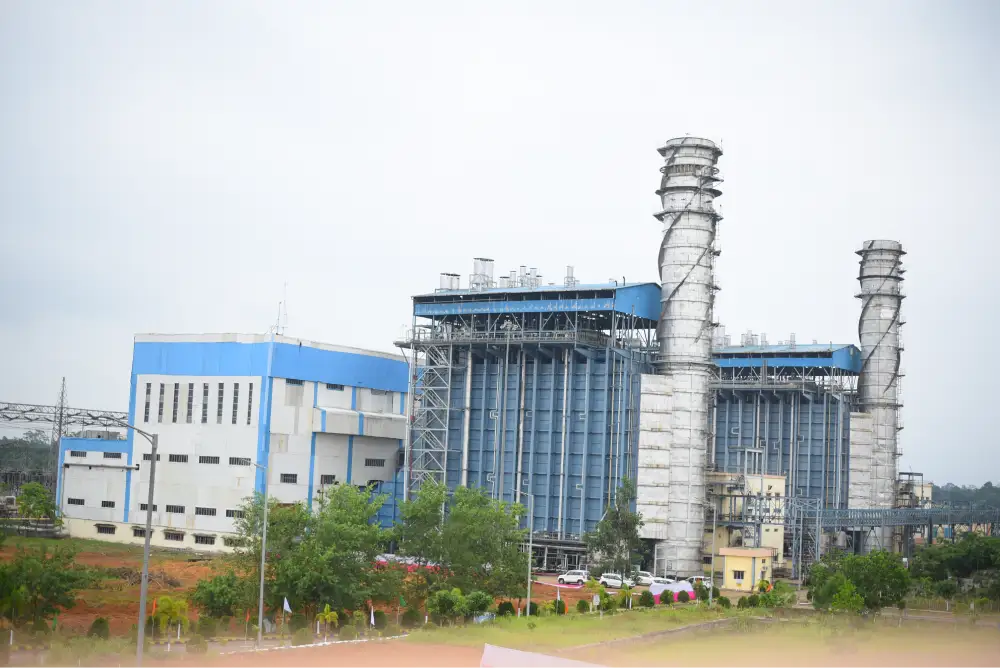
Tripura (located in the North Eastern part of India) is endowed with commercially exploitable gas resources that had not been commercially exploited on account of various factors like lack of adequate road/rail infrastructure, weak transmission infrastructure and vast distances to load centres in northern & western part of India. In spite of all these challenges and in order to optimally utilise the gas available in Tripura, OTPC has established a 726.6 MW Combined Cycle Gas Turbine (CCGT) power plant along with an associated power transmission system from the power plant to Bongaigaon in Assam.
Rationale for setting up of the power plant

Optimal utilization of Gas Reserves:

Power generation at wellhead and transmission of power implies better economics vis-à-vis the option of gas transport and power generation at load center. Given that power sector is the single largest consumer of gas in the country, the project was looked upon to obviate the necessity to transport gas to demand centers in North India. The power plant provides a market to ONGC for its gas and at the same time OTPC benefits from long-term gas pricing mechanism devoid of traditional risks of oil price linkage or market volatility.

Monetization of Idle Gas Assets:

While maintaining focus on its core business of exploration and production (E&P) of oil and gas, ONGC has been able to forward integrate and monetize its natural gas assets in the region through establishment of the power plant.

Project Strengths

The key strengths of the Project are highlighted below:

ONGC is one of the largest and financially strongest companies in the country with proven experience in developing, implementing and operating extremely large sized infrastructure facilities spanning the entire country. ONGC owned significant gas reserves and had substantial production facilities and transportation network in Tripura which helped in facilitating expeditious implementation of the project.

GoT placed great importance on the implementation of the project and considers continued operation of the Project to be of significant importance to the state of Tripura and for this purpose it had extended its support by providing tax and other fiscal benefits to the Project, such as mentioned below which all accrued in making the tariff of the power plant very competitive,

  • Assistance in obtaining clearances/ statutory approvals,
  • Providing land at nominal rates,
  • Exemption from sales tax / VAT on the gas supplied by ONGC,
  • External infrastructure for smooth transportation of equipments and heavy machinery,
  • Water supply at nominal rates.

IL&FS is a leading infrastructure development and financial services institution in the country with a successful track record in development of infrastructure projects. IL&FS Energy Development Company Limited (IEDCL), as project development advisor added significant credibility to the project development process.

The project contractual structure entailed extensive technical studies by renowned agencies followed by implementation through a turnkey EPC contracting route on a fixed time basis. In addition, the project implementation was monitored by independent technical agencies.

The power plant had a unique advantage vis-à-vis other gas based power plants / projects in the country by virtue of the operator of the gas fields being the main project promoter. ONGC has committed long- term gas supply linkage to the power plant from its existing gas fields in vicinity of the plant at firm prices unlike all new gas based projects which have to depend on crude linked LNG or on short term (1-5 year) natural gas contracts.

The power plant benefits from income tax holiday under Section 80(IA) which allows the company to avail a tax holiday for a period of 10 years in a block of 15 years.

By virtue of obtaining Mega Power Status under the Mega Power Policy of Government of India, the project could avail certain fiscal incentives such as exemption from customs duty. These exemptions helped in reduction of tariff and ensure project competitiveness in the long run.

Project Genesis

Government of Tripura (GoT) was desirous of developing a power project to enhance the utilization of natural gas in the state. With this end in view, GoT approached Infrastructure Leasing and Financial Services Limited (IL&FS) to assist them in the entire process of project development. ONGC owns majority of the gas assets in Tripura and has made significant investments in the state. However, on account of non-availability of gas off-take arrangements, its assets had not yielded returns adequate to sustain or expand operations in the region. IL&FS initiated discussions with ONGC to explore the feasibility of developing a gas based power project in the state.

Sustainability

OTPC believes in adopting sustainable business practices which benefit not only the shareholders but also the community and the local environment. In pursuit of adoption, OTPC has taken membership of Global Compact Network India (GCNI). GCNI is the Indian arm of United Nation Global Compact which is a leadership platform with a global dimension with an aim to conjoin private sector activities with civil society initiatives, and for the establishment of an inclusive corporate sustainability in the global economy.

OTPC being a joint venture organization is also supporting its promoters and investors in preparation of sustainability report under Global Reporting Initiative. OTPC is also committed towards providing support to nearby villagers in the field of health, education and livelihood under its Corporate Social Responsibility (CSR) program.

OTPC is also helping the environment by emitting lower levels of emissions. The NOx emission from the power plant is less than 25 ppm which is much lower than the prescribed limit. Online data of both chimneys is made available on the Central Pollution Control Board website for real time monitoring.

The OTPC plant is also registered under the Clean Development Mechanism scheme established as part of the Kyoto Protocol under United Nation Framework Convention to Climate Change.

Sustainability

OTPC believes in adopting sustainable business practices which benefit not only the shareholders but also the community and the local environment. In pursuit of adoption, OTPC has taken membership of Global Compact Network India (GCNI). GCNI is the Indian arm of United Nation Global Compact which is a leadership platform with a global dimension with an aim to conjoin private sector activities with civil society initiatives, and for the establishment of an inclusive corporate sustainability in the global economy.

OTPC being a joint venture organization is also supporting its promoters and investors in preparation of sustainability report under Global Reporting Initiative. OTPC is also committed towards providing support to nearby villagers in the field of health, education and livelihood under its Corporate Social Responsibility (CSR) program.

OTPC is also helping the environment by emitting lower levels of emissions. The NOx emission from the power plant is less than 25 ppm which is much lower than the prescribed limit. Online data of both chimneys is made available on the Central Pollution Control Board website for real time monitoring.

The OTPC plant is also registered under the Clean Development Mechanism scheme established as part of the Kyoto Protocol under United Nation Framework Convention to Climate Change.